WORK / 02 / 04
Glasvezel De Wolden
Resident-led fibre initiative built around public tooling and locally controlled systems.
01 / Scope
Communications and technology in one role.
Glasvezel De Wolden was a resident-led initiative. Communication, trust, registrations, and technology all had to work together.
My role combined communications and technology: brand, tone of voice, public trust, resident self-service tooling, automation, and the systems underneath.
Alongside the spokesperson work, I built resident tools, automation, and parts of the infrastructure behind the project.
I wanted the initiative to remain self-hosted and locally managed, without becoming dependent on a standard provider stack.
- Public messaging
- Designed the brand, tone of voice, public messaging, and resident-facing communication that kept the initiative legible and trusted.
- Resident self-service
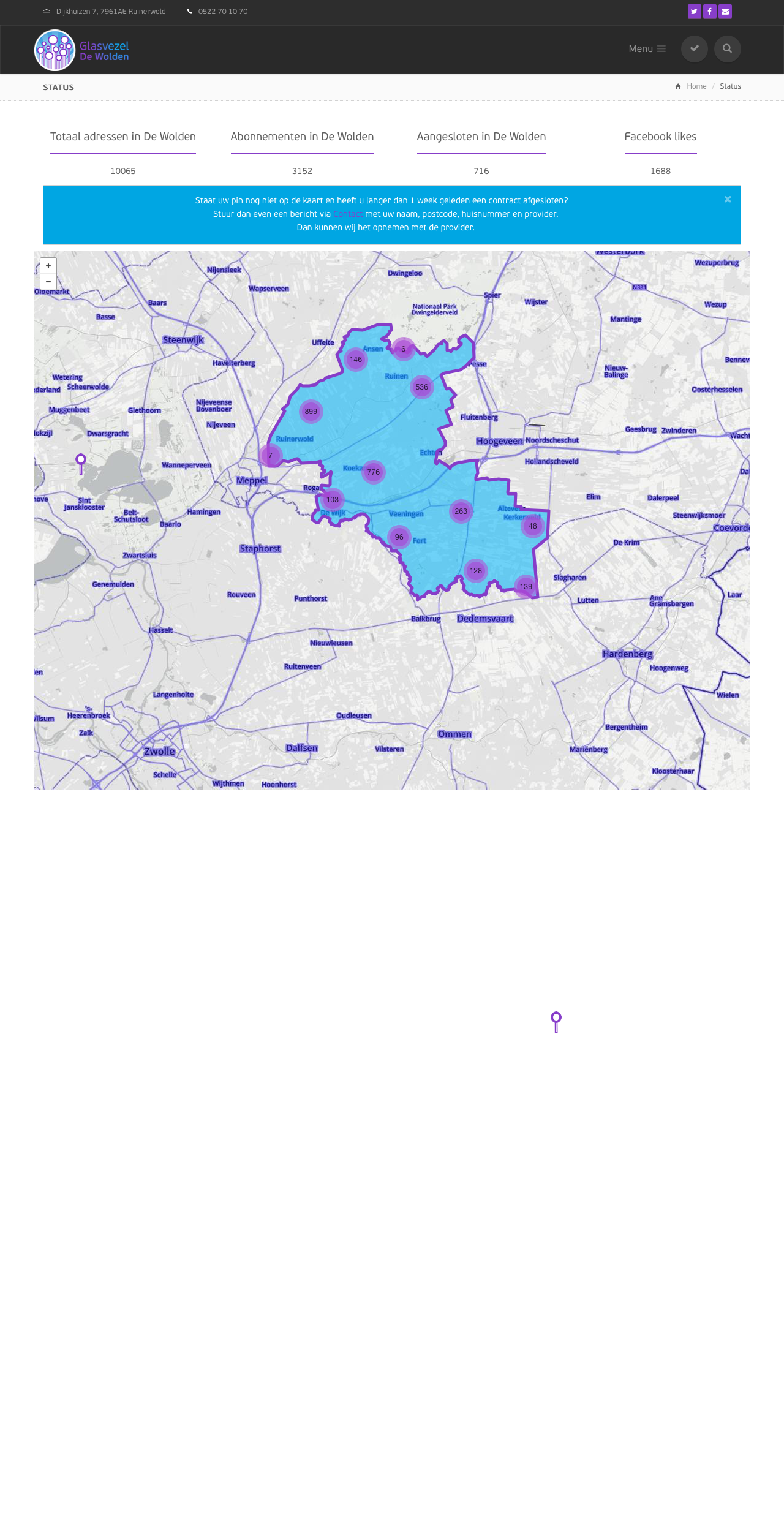
- Built the website, postcode checker, provider wizard, and the public flows that let residents understand rollout status and act on it.
- Operational systems
- Ran newsletter tooling, Mantis issue tracking, Metabase, GitLab, PostgreSQL, mail services, and the automation around them.
- Infrastructure decisions
- Started on a simple VPS, then moved toward a redundant self-hosted setup around 2017 and chose Kubernetes over Docker Swarm and Nomad.
02 / Systems
Resident tooling and a locally controlled stack.
Alongside the public work, I had to make the back end reliable enough to support it while keeping control of the stack.
We began on a simple VPS. When redundancy started to matter around 2017, I chose Kubernetes over Docker Swarm and Nomad and moved the project toward a more resilient self-hosted setup.
Build public tools people could actually use.
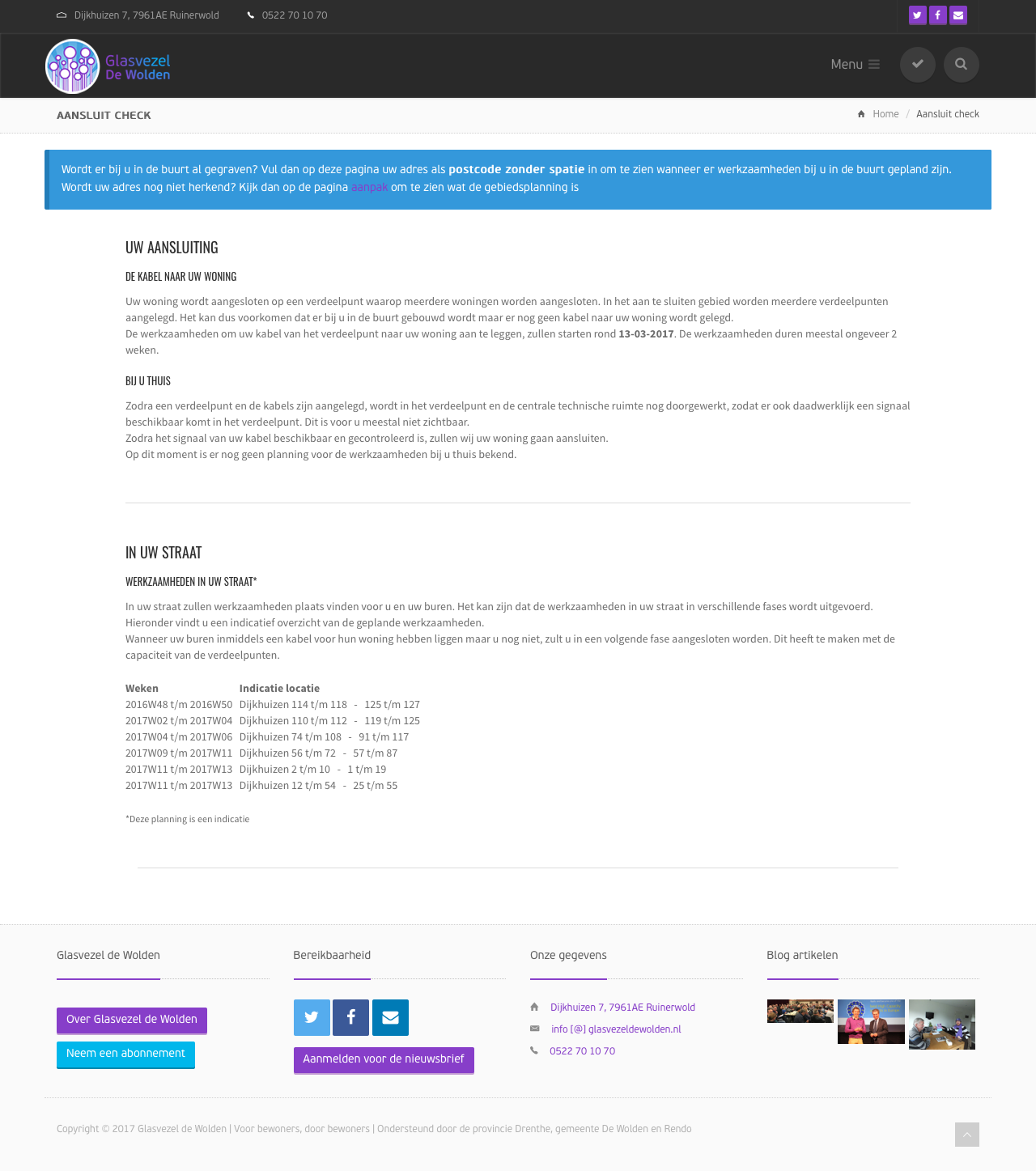
The team built a postcode checker so residents could see when work in their area was planned, plus a provider wizard that helped with subscription and activation.
The tools had to answer questions early, reduce friction, and help residents take the right next step while rollout work was still underway.
Website, postcode checker, provider wizard, newsletter flows.
Run the project on systems we controlled ourselves.
Behind the public site, I ran Mantis, Metabase, GitLab, PostgreSQL, mail services, and the automation needed to keep the initiative running without surrendering operational control.
Choosing Kubernetes over Docker Swarm and Nomad early was part of that. It let the stack grow beyond a single VPS once redundancy and operational resilience became necessary.
Self-hosted infrastructure, automation, issue tracking, BI, mail, GitLab, PostgreSQL, Kubernetes.
03 / Links and articles
Links and articles.
The European Commission describes the project and its award. NOS, Tweakers, and local press cover other parts of the work.
Links to the work.
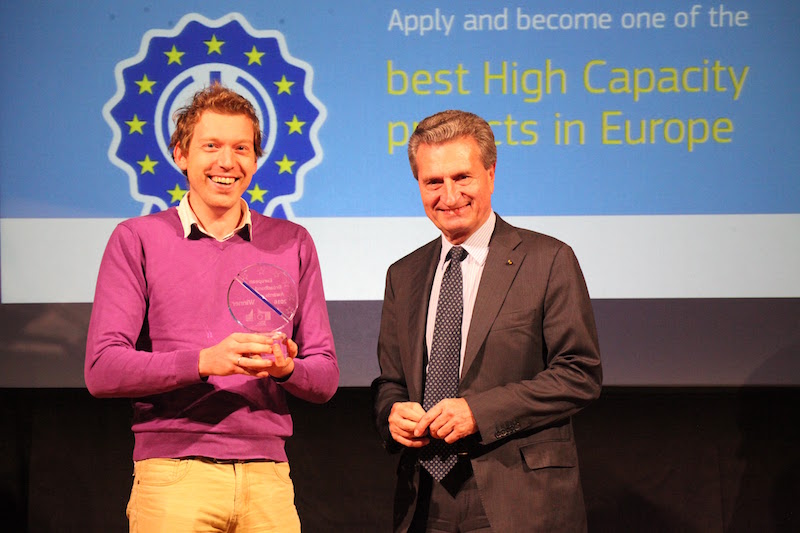
We won a European Broadband Award and built the project around local ownership: for residents, by residents.
News coverage often described me as communications adviser or spokesperson. My work also covered resident tooling, automation, and infrastructure decisions.
European Broadband Award winner with national, local, and technical media coverage.
-
European Commission
The European Commission page describes Glasvezel De Wolden as a European Broadband Award winner and includes me in its account of the project.
Read the Commission page -
NOS
NOS quoted me on the project’s practical internet constraints and the public demand behind it.
Read the NOS article -
Tweakers
Tweakers covered the initiative as infrastructure work, including its scale, ambition, and industry attention.
Read the Tweakers article -
De Wolden Nieuws
Local coverage describes the resident-led approach, public accountability, and the project's public-facing work.
Read the local article